Temporomandibular joint (TMJ) disorders affect a surprisingly large number of people and can disrupt everyday activities like eating, speaking and sleeping. National research estimates that millions of Americans experience TMJ-related pain or dysfunction at some point in their lives. This page explains what TMJ disorders are, how they develop, how clinicians evaluate them, and the range of safe, conservative treatments available — all in clear, patient-friendly language.
The term "TMJ disorder" refers to problems involving the temporomandibular joints and the surrounding muscles and tissues that control jaw movement. Because these joints are involved in nearly every oral motion—biting, chewing, yawning and speaking—even modest dysfunction can cause persistent discomfort and interfere with normal routines.
TMJ problems can arise from a variety of causes: muscle tension, wear or displacement of the joint’s cushioning disc, joint inflammation or degenerative changes similar to arthritis. In many cases, symptoms develop gradually; in others, they follow a jaw injury or a period of high stress and tooth clenching.
While the experience of TMJ disorder varies widely, the condition is not rare, and many people respond well to a combination of conservative care and lifestyle adjustments. Early evaluation helps rule out other causes of facial pain and guides an appropriate plan to reduce symptoms and restore function.
Each person has two temporomandibular joints—one on each side of the head—connecting the lower jaw (mandible) to the temporal bones of the skull. These joints are complex: they allow hinging motions as the jaw opens and closing motions when it shuts, along with sliding movements that let the lower jaw shift forward, back, and side to side.
Inside each joint is a small, soft disc that cushions the rounded end of the jawbone as it moves within the socket. Muscles, ligaments and tendons control these motions and keep the components aligned. When those parts work smoothly, the joint moves quietly and comfortably; if the disc shifts, muscles spasm, or the joint becomes inflamed, pain and mechanical symptoms may follow.
Because the TMJ interacts with muscles in the face, neck and shoulders, problems can produce symptoms that reach beyond the jaw itself. Understanding the joint’s structure helps explain why patients may notice headaches, neck tension, ear-related sensations or difficulty opening the mouth wide.
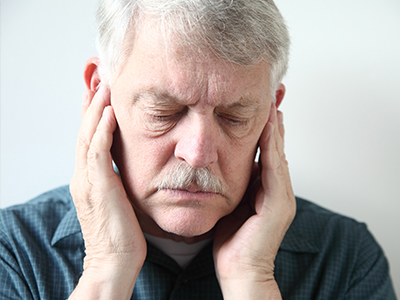
TMJ disorders present with a broad spectrum of symptoms. Some people experience sharp or dull pain in or around the jaw joint, while others notice clicking, popping or grating sounds when they open or close their mouth. In more pronounced cases, the jaw may feel stiff, catch during movement, or momentarily lock in an open or closed position.
Symptoms often extend beyond the joint itself. Headaches, ear pressure or ringing, neck and shoulder tension, and facial muscle soreness are frequently reported. Because these symptoms can mimic other conditions, a careful clinical assessment is important to identify the TMJ as the source.
Several factors increase the likelihood of developing TMJ problems. Persistent teeth grinding or clenching (bruxism), traumatic injury to the jaw, poor bite alignment, and systemic forms of arthritis are common contributors. Emotional stress and sleep disturbances can also exacerbate muscle tension and make symptoms more noticeable.
Not every case is the same: for some people, TMJ pain is temporary and resolves with simple measures; for others, it may be chronic and require a coordinated plan of care. Recognizing symptoms early and seeking evaluation can prevent small problems from becoming more persistent.
Evaluation begins with a detailed history and a hands-on examination. A clinician will ask about symptom patterns, factors that make pain better or worse, dental history, and any history of injury. The physical exam assesses jaw movement range, joint sounds, muscle tenderness and how the teeth come together when you bite.
When needed, targeted imaging helps clarify the joint’s condition. Panoramic X-rays, specialized dental radiographs, or advanced imaging such as cone-beam CT or MRI can reveal disc position, joint surface changes, inflammation, or structural issues. These tests are ordered selectively based on the clinical findings.
The evaluation is aimed at identifying the primary contributors to the disorder—muscle-related tension, internal joint derangement, or degenerative changes—because treatment is most effective when it addresses the underlying cause rather than only masking symptoms.
Most clinicians follow a conservative, staged approach to TMJ care. Initial measures focus on symptom relief and reducing joint strain: soft or blended foods, avoiding prolonged wide mouth opening and chewy foods, and temporary limits on gum chewing and other habits that overload the joint. Simple self-care steps can significantly reduce discomfort for many patients.
Clinical treatments commonly include custom-fit oral appliances such as stabilization splints or night guards. These devices help reduce excessive tooth contact and relax jaw muscles, which can decrease pain and protect tooth surfaces from grinding. They are noninvasive, reversible, and often effective as a first-line option.
Adjunctive therapies may include physical therapy to stretch and strengthen jaw and neck muscles, targeted trigger-point massage, supervised home exercises, and modalities such as moist heat or cold packs. For selected cases, short courses of anti-inflammatory medications, muscle relaxants, or referral for injectable therapies may be recommended by a physician or dental specialist.
In situations where conservative care does not provide sufficient relief and diagnostic imaging confirms a structural issue that may respond to intervention, more advanced options are considered. These range from minimally invasive procedures to, in rare cases, surgical consultation. Treatment decisions are individualized and made collaboratively with the patient, prioritizing the least invasive effective option.
At the office of Dental Excellence of Brandon, our team emphasizes careful assessment and a conservative, evidence-informed approach to TMJ care. If you are experiencing jaw pain, persistent clicking, or difficulty opening your mouth, we encourage you to contact us to discuss your symptoms and explore the next steps for diagnosis and relief.