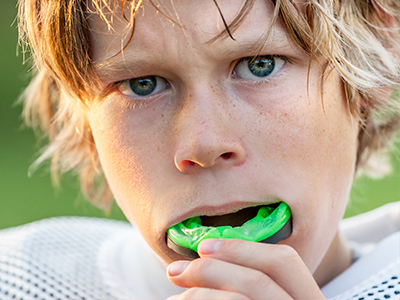
Participation in sports brings many benefits, but it also carries the risk of dental and facial injury. Direct blows, collisions with other players, and accidental falls can result in chipped or knocked-out teeth, lip lacerations, jaw fractures, and soft-tissue damage. Beyond immediate injuries, a single unprotected impact can lead to long-term problems such as root damage, tooth loss, or the need for extensive restorative work. Wearing an appropriate mouthguard dramatically lowers these risks by absorbing and distributing the force of an impact before it reaches vulnerable structures.
Not all sports carry the same level of risk, but unexpected incidents happen across a wide range of activities — from contact sports like football and hockey to seemingly low-impact pursuits like skateboarding or cycling. Even non-contact sports that involve fast-moving objects, such as baseball or lacrosse, present clear hazards to the mouth and face. For athletes of any age who value their oral health and athletic longevity, using a properly fitted mouthguard is a simple, preventive step with meaningful payoff.
Mouthguards also protect more than just the teeth. By cushioning the jaw and helping prevent extreme jaw movement, a quality mouthguard can reduce the likelihood of jaw fractures and certain types of concussion-related forces. They can prevent soft-tissue injuries to the cheeks, lips and tongue that commonly occur when teeth are displaced against delicate tissues during a blow. In other words, a mouthguard is a compact piece of protective equipment that plays a significant role in overall facial safety during sports.
There are three primary categories of mouthguards available: stock (ready-to-wear), boil-and-bite, and custom-made guards. Stock mouthguards are pre-formed and sold in sporting goods stores; they are the most affordable and quickest option but often fit poorly and can hinder breathing and speaking. Boil-and-bite mouthguards soften in hot water so users can mold them around their teeth for a better fit than stock models, yet they still lack the precise adaptation and material choices that can improve comfort and protection.
Custom-made mouthguards are fabricated by dental professionals from impressions of an individual’s teeth, producing a tailored fit that sits securely without bulky material. Because they conform closely to the dental arch, custom guards offer superior retention, easier breathing and clearer speech — all important for performance. They also allow for more advanced materials and designs that can be matched to an athlete’s specific needs, such as extra thickness in high-impact zones or accommodations for existing dental restorations.
When selecting a mouthguard, consider fit, retention, breathing, and protection level. A poorly fitting guard can move during play, increasing the risk of injury rather than reducing it. For many athletes, the balance of comfort and safety makes a custom guard the most sensible long-term choice, while ready-to-wear and boil-and-bite options can be useful short-term or for casual participation when custom devices are not available.
Custom mouthguards are crafted from precise dental impressions and professionally selected materials, giving them distinct advantages over generic options. Because these guards are shaped to match individual anatomy, they distribute impact forces more evenly across the teeth and jaw. That tailored fit minimizes unwanted movement during play and reduces the chance of the guard dislodging at a critical moment. The result is better protection for teeth, gums, and soft tissues while maintaining comfort and allowing normal breathing patterns.
Dental practitioners can also adapt custom mouthguards for athletes with special considerations: children in growth phases, individuals with braces, people who wear implants, or athletes with a history of jaw issues. For example, a guard for someone with orthodontic appliances will include extra space and specific design features to avoid interference with wires while still offering robust protection. These kinds of clinical adjustments are difficult or impossible to achieve with off-the-shelf options.
At the office of Dental Excellence of Brandon, our team can evaluate each athlete’s oral condition and recommend a device that balances protection, comfort and performance. A professionally made mouthguard is an investment in preventing injuries that can sideline an athlete for weeks or require complex dental treatment later. When prevention is prioritized, athletes and parents gain confidence that their dental health is protected while competing.
A mouthguard’s effectiveness depends heavily on how well it fits and how it is cared for. Proper fitting begins with an accurate impression and a verification appointment to ensure the guard seats correctly without causing pressure points. Once fitted, daily inspection is important: check for tears, thinning areas, or changes in shape that can reduce protection. Clean the guard after each use with cool water and mild soap or a non-alcoholic mouthwash; avoid high heat, which can deform most materials.
Storage and handling matter as well. Keep the mouthguard in a ventilated container when not in use to prevent bacterial buildup, and avoid leaving it in hot cars or direct sunlight. For athletes who perspire or share equipment, routine cleaning helps limit odors and microbial growth. If the guard develops persistent odors, visible damage, or no longer fits snugly, it’s time to replace it — continued use of a compromised guard can give a false sense of security.
Regular dental checkups provide a good opportunity to inspect a mouthguard professionally. For young athletes, ongoing growth and changes in tooth position may necessitate more frequent replacements. Similarly, athletes who sustain an impact while wearing a guard should have both the guard and their teeth examined promptly, even if no immediate pain is felt — some injuries can be subtle but significant.
Young athletes and people with dental work need tailored solutions. Children’s mouths are continually changing, so mouthguards for juniors should be monitored often and replaced when fit becomes compromised. A guard that is too tight can impede growth, while a loose one won’t protect effectively. For adolescents undergoing orthodontic treatment, specially designed guards accommodate brackets and wires while maintaining a protective barrier that reduces the risk of soft-tissue damage and tooth displacement.
Patients with crowns, bridges, implants, or other dental restorations may benefit from a stiffer or differently contoured guard to compensate for altered tooth shape and distribution of chewing forces. A custom device can be engineered to protect vulnerable restorations from direct impact, helping to avoid costly and time-consuming reparative work. In every case, the clinical perspective helps match guard type and design to the athlete’s unique oral landscape.
Coaches, parents, and athletes should view mouthguards as an essential part of athletic gear rather than an optional extra. Proper guidance from a dental professional ensures the selected guard supports both safety and performance goals, while routine follow-up keeps protection aligned with changes in dental health and activity level.
In summary, sports mouthguards are a practical and highly effective way to reduce the risk of dental and facial injuries during athletic activity. From basic stock options to precision-crafted custom devices, the right mouthguard depends on individual needs, age, and the level of play. If you’d like personalized guidance or want to explore custom protection, contact Dental Excellence of Brandon to learn how our team can help you choose and fit the best mouthguard for your situation.