At the office of Dental Excellence of Brandon, the health and long-term development of your child’s smile is our primary focus. We help families build practical habits and provide gentle, evidence-based care so children grow comfortable with dental visits while establishing the foundation for lifelong oral health.
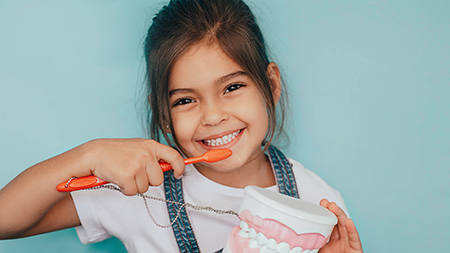
Preventive pediatric dentistry is about more than cleanings and checkups — it’s a program designed to protect developing teeth, guide healthy habits, and catch problems early. During routine visits, clinicians focus on risk assessment and tailored prevention strategies that match a child’s age, growth stage, and individual needs.
We emphasize positive, age-appropriate education so children understand why oral care matters. Hands-on demonstrations, gentle instruction on brushing and flossing technique, and simple explanations about nutrition help empower both kids and caregivers to make healthier daily choices.
In-office prevention also includes professional cleanings, targeted fluoride applications when appropriate, and the careful placement of dental sealants on chewing surfaces that are prone to decay. These measures, combined with consistent home care, reduce the chance of painful problems and the need for more invasive treatment later on.
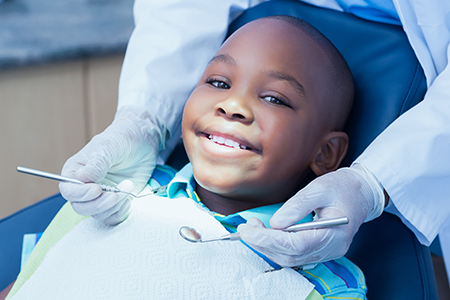
Regular dental exams allow our team to monitor growth, identify emerging cavities, and assess how a child’s bite and jaw are developing. Early detection frequently means simpler care and better outcomes — for example, intercepting decay before it progresses or noting habits that might alter tooth alignment.
Each visit includes a focused clinical evaluation of the teeth, gums, jaw function, and soft tissues. When clinically indicated, we use digital radiography to view areas not visible to the eye, helping us evaluate tooth development and spot hidden concerns without unnecessary exposure.
Professional cleanings remove plaque and debris from places children often miss, and we follow up with personalized guidance so parents know when to adjust routines, introduce new tools, or schedule problem-focused visits when needed.
Tooth decay remains one of the most common childhood illnesses, but it is largely preventable. Decay develops when bacteria in plaque metabolize sugars and create acids that break down enamel. Reducing exposure to sugary drinks and snacks, improving brushing habits, and applying preventive treatments can dramatically lower risk.
We work with families to identify high-risk behaviors and build practical strategies — such as swapping sweetened beverages for water, limiting grazing between meals, and timing toothbrushing appropriately after snacks. Small adjustments at home often lead to measurable improvements in oral health.
Start dental visits early and maintain regular checkups so care becomes routine, not intimidating.
Establish consistent brushing with a soft-bristled brush and an age-appropriate amount of fluoride toothpaste.
Limit sugary drinks, avoid nursing or bottle use at bedtime with milk/juice, and choose tooth-friendly snacks.
Encourage weaning from pacifiers and thumb sucking by school age to support healthy jaw growth.
Bring children to the office promptly for any dental pain, trauma, or concerns — early care prevents escalation.
Use a properly fitted mouthguard for organized sports or activities where facial injury is possible.

Baby teeth are more than temporary placeholders — they help children chew, speak clearly, and hold space for adult teeth. Professional guidance ideally begins around the emergence of the first tooth or by the child’s first birthday, so caregivers learn safe cleaning techniques and receive advice on preventing early childhood caries.
Simple home practices—wiping the gums after feedings, avoiding bottle use with sugary liquids at nap or bedtime, and introducing a soft brush once teeth appear—make a large difference. We support parents with step-by-step coaching so oral care becomes a calm, consistent routine.
When teething causes discomfort, we recommend safe, age-appropriate remedies and can advise when symptoms suggest something more than ordinary teething. Early relationships with the dental team also help children acclimate to the office environment before any treatment is necessary.
As children enter school, their dental needs shift: permanent molars erupt, diets expand, and responsibility for hygiene gradually shifts from caregiver to child. This stage is an ideal time to reinforce good habits and introduce preventive tools like sealants which protect deep grooves on back teeth from decay.
We provide practical coaching on hygiene tools and techniques that work around braces or orthodontic appliances, and we offer advice on safe snacking and managing sports-related risks. For active kids, a custom-fitted mouthguard is an essential safeguard against traumatic dental injuries.
Regular exams during the school years also create opportunities to spot early orthodontic indicators. When jaw growth or tooth positioning suggests future treatment, we’ll explain options and timing so families can make informed decisions.
Facial growth and the alignment of jaws and teeth occur over many years, so periodic evaluation is important. Our clinicians assess bite relationships, spacing, and patterns of oral development to determine whether early intervention, monitoring, or referral to an orthodontic specialist is appropriate.
Some issues benefit from early recognition — for instance, habits that might influence tooth position, or developing bite problems that respond better to guidance during growth. When orthodontic care is recommended, we’ll outline the reasons and expected timing so families understand the path forward.
Throughout growth, we emphasize practical tips for protecting appliances, maintaining hygiene around braces or aligners, and supporting speech and chewing function as treatment proceeds.
Signs such as early crowding, asymmetry in the jaw, difficulty biting cleanly, or prolonged thumb sucking warrant closer evaluation. Early pediatric dental visits create opportunities to observe these patterns across time and coordinate care with orthodontic specialists if needed.
A balanced diet supports tooth mineralization and tissue health. Encourage whole foods, calcium-rich choices, and water as the main beverage. Minimizing frequent snacking on sugary or sticky items reduces acid exposure and helps protect developing enamel.
When families understand the link between everyday foods and dental risk, they can make choices that support both oral health and overall growth. Our team offers practical suggestions suited to busy households and mixed-age families.
In summary, pediatric dental care combines prevention, education, and careful monitoring to help children develop healthy, confident smiles. If you’d like to learn more about how we approach care for infants, children, and teens, please contact us for additional information.
A pedodontist is a dentist who has received advanced specialty training in meeting the dental needs of children from infancy to adolescence. Pedodontists, also referred to as "pediatric dentists," study child psychology, behavior management, caring for children with special needs, methods of handling oral/facial trauma, and various techniques for providing anesthesia and sedation. Pedodontists also understand the complexities of facial growth and development and have the clinical skills required to meet the dental needs of all children at every stage of development. Most of all, pedodontists are passionate about what they do and enjoy working with children. They strive to make every dental experience a positive one as they help children establish a strong foundation for good oral health.
Even before your child is born, their first set of teeth is already forming. In fact, by one year of age, some of your baby's front teeth will have already come into place. While the arrival of your baby's first teeth is only one of many developmental milestones, it represents an excellent time to begin a program of oral care. According to recommendations from the American Dental Association, babies should see the dentist around the time of their first birthdays.
Your baby's first teeth typically begin to appear in the 6 to 12-month range. While this is an extraordinary milestone, you need to be aware that your baby may find the experience a little bit uncomfortable. Teething can make babies feel irritable. They may be fussy, have trouble sleeping, not want to eat, and drool quite a bit.
Although you are powerless to speed up the process of teething, there are a few things that you can do to soothe your baby as the new teeth are erupting into place. Common approaches to helping your baby feel more comfortable while getting new teeth, include teething rings or a cold spoon or moist gauze rubbed over their gums.
Even for these few new teeth, it's absolutely essential to establish an effective regimen of oral care. For information on when your baby's first set of teeth will erupt into place, consult this timeline from the American Dental Association: Eruption Charts
Some children persist in sucking their thumbs or fingers beyond their preschool years. For these children, the activity continues to be a source of comfort, relaxation, and security. It may even help them fall asleep at night. However, it's essential to be aware that in the long-term, a finger sucking habit is not healthy.
If your child's thumb or finger sucking habit is still present when the permanent teeth begin to come in, your child is at a higher risk of developing a bad bite. By the age of five or six years, you need to constructively and gently help your child stop the habit.
It's also a good idea to have a comprehensive evaluation at this time. Your pedodontist can assess if there are any habit related alterations to the alignment of your child's teeth or jaws, or if it is affecting their speech or swallowing patterns. They can also discuss habit control strategies with you, as well as follow your child's bite and facial development as they grow. If interceptive appliances or corrective orthodontic care are recommended, the timetable and best options in care will be explained in complete detail.