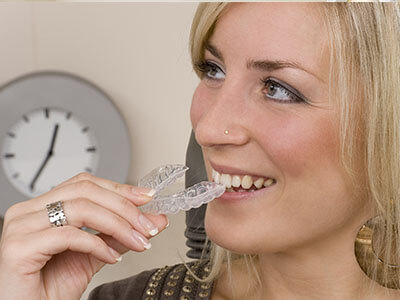
Invisalign® for Teens


A discreet, modern alternative to traditional braces, Invisalign® uses clear, removable aligners and digital planning to straighten teeth with minimal disruption to daily life. Designed for patients who value both appearance and predictable results, this approach blends advanced imaging, proven biomechanics, and a treatment sequence customized to each smile.
Clear aligners offer an understated way to make meaningful improvements to tooth alignment. Unlike visible metal brackets, the nearly transparent material used in Invisalign® aligners keeps treatment subtle, which many adults and teens prefer for social and professional settings. The low visual impact of the aligners helps patients feel more comfortable during work, school, and social events.
Because aligners are removable, they simplify daily oral care. Patients maintain normal toothbrushing and flossing routines without the extra challenges of cleaning around brackets and wires. This can reduce the risk of staining, plaque buildup, and irritation commonly associated with fixed appliances.
Beyond aesthetics, clear aligners are engineered for predictable, stepwise tooth movement. Each tray is designed to apply gentle forces in a planned sequence, so progress is gradual and monitored. For many common alignment concerns—crowding, spacing, and mild to moderate bite issues—aligners provide an effective path to a healthier, more confident smile.
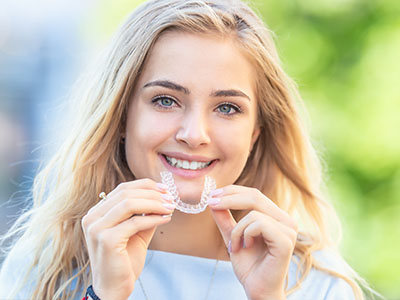
Invisalign® for Teens

Invisalign® for Brides

Invisalign® for Travelers
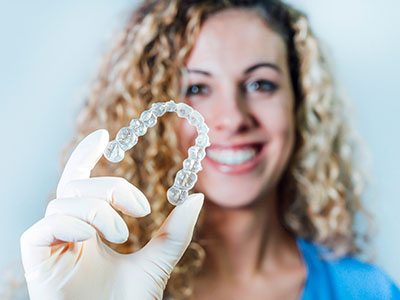
Before & After Photos
Invisalign® Videos
FAQs
Invisalign® vs Braces
Invisalign® vs Direct-To-Consumer Aligners
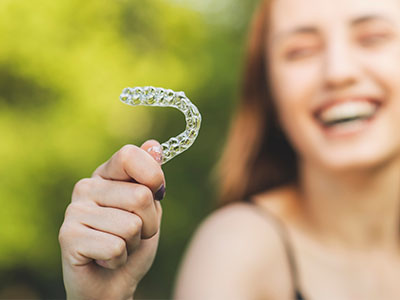
Is Invisalign Right For Me?

Invisalign Costs
Successful aligner therapy begins with precise records. A digital intraoral scan captures the unique shape and position of your teeth, creating a highly accurate three-dimensional model. This model becomes the foundation for a comprehensive plan that maps every incremental movement from the current position to the intended final result.
Using specialized software, clinicians can visualize the full treatment sequence and make adjustments before any aligners are fabricated. This virtual “preview” lets you and your provider review the expected progression and outcomes. The method increases predictability and supports communication about realistic goals.
The result is a series of custom-made aligners, each slightly different to advance tooth movement in a controlled way. Because each tray is manufactured to exact specifications, the series works as a coordinated system rather than a series of isolated changes.
When treatment starts, you’ll receive a set of aligners that are worn for the majority of each day—typically removed only for eating and oral hygiene. Most patients switch to a new aligner every one to two weeks, following the schedule your provider recommends. Each change advances the teeth incrementally toward the planned outcome.
Routine visits are generally shorter than traditional orthodontic appointments because there are no brackets to adjust. Your provider will check fit, monitor progress, and make refinements when necessary. These appointments also provide opportunities to address questions about comfort, wear time, or oral care.
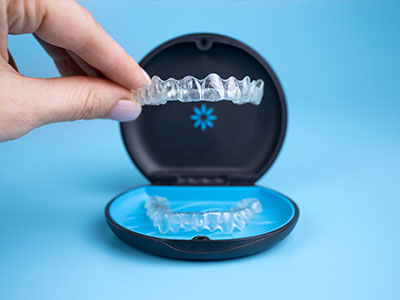
Because aligners are removable, there’s flexibility around eating and special events. Still, consistent wear is essential: treatment efficiency depends on the aligners being worn as prescribed. Proper maintenance—cleaning trays and keeping them in a protective case when not worn—helps preserve hygiene and fit.
Clear aligners are effective for a wide range of alignment needs, including mild to moderate crowding, spacing, and certain bite irregularities. They suit patients who prefer a less conspicuous option and those who can commit to consistent wear and follow-up visits. Teen and adult patients alike can see meaningful improvements when the clinical plan matches their goals.
Complex cases—those requiring extensive tooth movement or significant bite correction—may require adjunctive techniques or alternative approaches. Your dentist will evaluate skeletal and dental relationships during the consultation and recommend the most appropriate path, whether that’s aligner therapy, combined treatments, or a referral when indicated.
A candid assessment at the outset helps set expectations and frames a treatment plan that balances aesthetic desires with long-term oral health. Clear communication ensures you understand the steps involved, potential limitations, and the timeline for expected improvements.
Caring for aligners is straightforward: rinse them regularly, brush gently with a soft toothbrush (without toothpaste when possible), and soak in a recommended cleaning solution when instructed. Avoid hot water, which can warp the plastic, and always store trays in a case to prevent loss or damage.
During treatment, maintain regular dental cleanings and exams so your provider and hygienist can monitor oral health in tandem with orthodontic progress. Good oral hygiene supports both the health of your teeth and the success of the alignment process.
At the end of active treatment, retention is essential to preserve your new tooth positions. A retainer—fixed or removable—helps prevent natural relapse and supports long-term stability. Your provider will recommend a retention plan tailored to your case and lifestyle.

During your initial visit, your provider examines oral health, reviews alignment goals, and explains how aligner therapy would be applied in your case. This conversation clarifies expectations and outlines next steps.
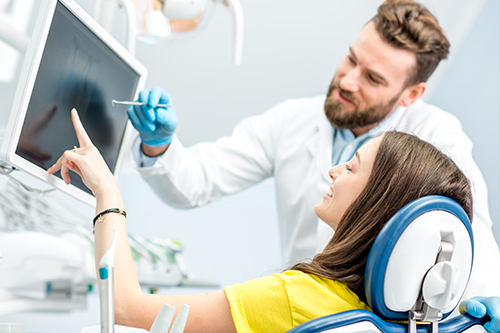
A fast digital scan captures the exact anatomy of your teeth, then a step-by-step treatment plan is crafted. The visual plan allows you to preview predicted changes and understand the timeline.
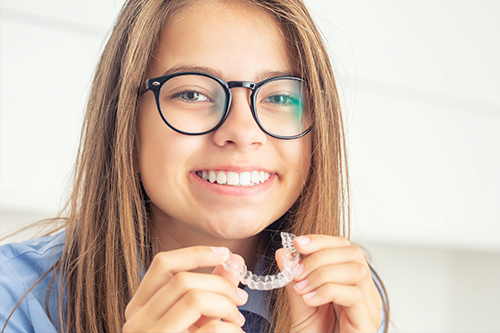
Your aligners are manufactured from industry-leading materials to fit snugly and move teeth in a planned sequence. Comfort features and precise fit help patients adapt quickly to daily wear.

From the first set of aligners through retention, your provider monitors progress and makes adjustments as needed. Regular check-ins help ensure predictable results and patient confidence.
Short videos that illustrate treatment timelines, patient experiences, and what you might expect during aligner therapy.
*Invisalign® is a registered trademark of Align Technology, Inc.
At Dental Excellence of Brandon, our approach to aligner therapy emphasizes careful planning, consistent communication, and clinical oversight to help you achieve a stable, attractive smile. If you’d like to learn more about how Invisalign® might fit your goals, please contact us for additional information and to schedule a consultation.
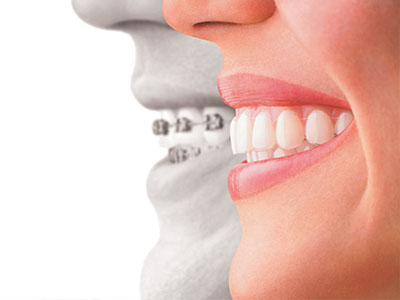
There are many options for patients who want to avoid metal braces! The most popular alternative orthodontic treatment is Invisalign®, which are clear plastic aligners designed to straighten teeth. After an examination of your teeth, your dentist will determine which option is best suited to your wants and needs.
According to the Invisalign® website, the cost for treatment is approximately the same as the cost for metal braces. A portion of this cost may be covered by your insurance. Please call us to set up a consultation and discuss potential payment plan options.
The first step is to schedule a consultation with your doctor, so they can devise a treatment plan that is best suited to your individual dental needs. Once approved, you will receive your first set of aligners. Your doctor will then regularly monitor the movement of your teeth and new aligners will be ordered according to the progress made in your treatment plan.
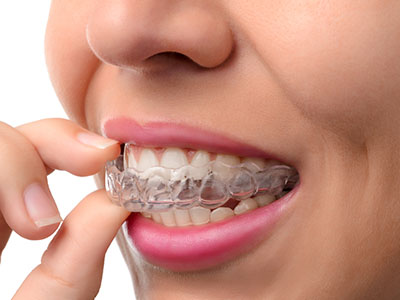
Invisalign® aligners are made of clear, flexible plastic. The company received a patent for this material – SmartTrack® – to be used exclusively for Invisalign treatment purposes. These aligners are FDA approved and nearly invisible!
Your doctor will give you an estimate regarding how long your Invisalign® treatment should take, which will depend on your specific needs. The average length of time for treatment is approximately 12-18 months. However, some patients may see results far sooner. Remember to wear your aligners exactly as instructed by your doctor to obtain the best results.
Your doctor will most likely recommend that you wear retainers following your Invisalign® treatment. This is a precaution that will prevent your teeth from shifting back to their original positioning. It is important to follow your doctor's instructions exactly to ensure long-lasting results.
You must wear your aligners for up to 22 hours daily. You may remove them for eating, drinking and regular oral hygiene.
No. Unlike braces, you may eat whatever you like as long as you remove the aligners before eating. Prior to placing the aligners back on, it is important to brush your teeth and the aligners after you eat.
Like any orthodontic treatment, there is a short adjustment period. The more you speak with the aligners on, the quicker you will adjust.
There will be some pressure and minor discomfort for a day or two after each initial insertion. This is a sign that your teeth are moving sequentially into their final position.
It is recommended that you remove your aligners prior to chewing gum as the gum will stick to the aligners.
We discourage smoking with aligners as the cigarette smoke will tend to discolor them.
Brushing them with toothpaste will keep them fresh and clean.
Regular office visits are every five to six weeks. This will ensure that your Invisalign treatment is progressing as planned.
All orthodontic patients are instructed to wear their retainers at night indefinitely. Sleeping with your retainers in at night will ensure a healthy bite and maintain the new position of your teeth.
Yes, if their teeth, including second molars, have grown in completely.