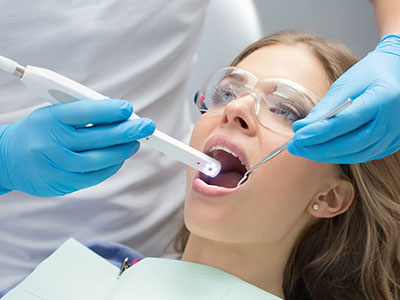
An intraoral camera is a compact, pen-sized imaging device designed to capture detailed, full-color photographs of teeth and surrounding soft tissues. Because it produces high-resolution images in real time, an intraoral camera gives both clinicians and patients a magnified view of areas that are difficult to observe with the naked eye. The result is a clearer picture of tooth surfaces, margins of restorations, gum tissue, and other important structures.
Unlike a traditional mirror exam alone, the intraoral camera translates small or subtle issues into visible, easy-to-review images on a chairside monitor. This visual clarity helps the clinical team identify enamel defects, hairline cracks, worn restorations, and early-stage lesions that might otherwise go unnoticed. The device is lightweight and maneuverable, allowing targeted imaging of specific teeth, interproximal spaces, and soft-tissue areas.
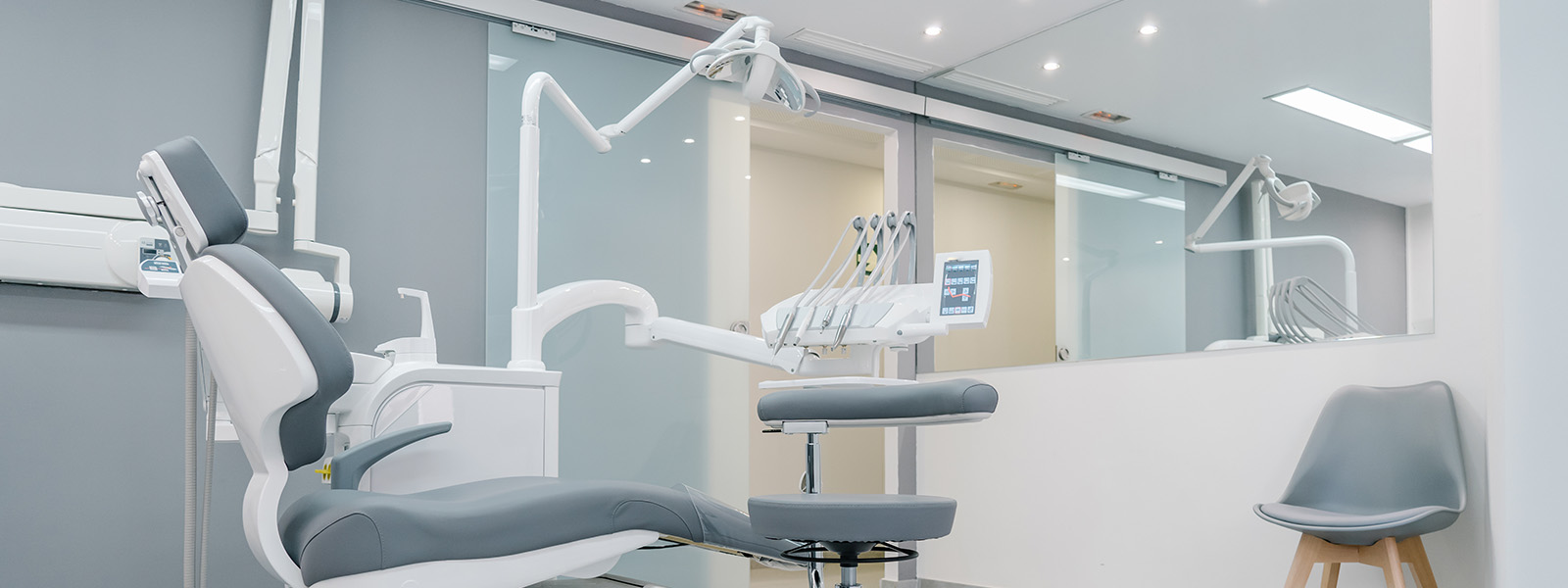
At the office of Dental Excellence of Brandon we use intraoral imaging as part of routine exams and targeted evaluations. Because the camera captures accurate, color-true images, it becomes a reliable complement to other diagnostic tools, helping to build a more complete clinical record and supporting careful decision-making for each patient.
High-resolution photographs from an intraoral camera provide objective documentation that improves diagnostic confidence. When clinicians can inspect enlarged images, they are better able to distinguish between staining and decay, detect micro-fractures, and evaluate the fit and integrity of existing restorations. This level of detail is particularly helpful when monitoring subtle changes over time or confirming a clinical suspicion before recommending additional testing or treatment.
Images taken with the intraoral camera are invaluable during treatment planning. They allow the dental team to map affected areas, plan minimally invasive interventions, and anticipate restorative needs. By combining intraoral photos with radiographs and clinical findings, clinicians can create more precise treatment plans and tailor recommendations to the individual anatomy and functional needs of each patient.
For complex cases that require collaboration, intraoral images serve as a standardized visual reference that specialists and laboratories can review. This streamlines communication and reduces ambiguity, helping to align expectations among providers and ensuring continuity of care during multi-step procedures.
One of the biggest benefits of intraoral cameras is their ability to improve patient comprehension. Seeing a clear image of their own teeth makes dental conditions more tangible and easier to discuss. Patients often report that visual evidence helps them grasp the nature of a problem and the rationale behind recommended care, which leads to more informed, confident decisions about their oral health.
Clinicians can annotate and compare images to demonstrate progression or improvement, which makes follow-up conversations more productive. Rather than relying solely on verbal explanations, the team can point to precise areas on-screen and walk patients through what they’re seeing—whether that’s early enamel breakdown, a worn filling, or inflamed tissue that needs attention.
Because education is central to preventive care, intraoral imaging supports behavior change and preventive strategies. When patients understand how daily habits and oral hygiene affect specific areas, they are more likely to adopt targeted home-care routines and attend recommended follow-up appointments.
Intraoral images integrate seamlessly into modern digital dental records, creating a permanent, organized visual history for each patient. Stored images make it easier to track changes over months or years, and they can be retrieved quickly for comparison during recall visits. This continuity helps clinicians evaluate treatment outcomes and measure the effectiveness of preventive interventions.
Images captured by an intraoral camera can be shared securely with other members of the dental care team—such as specialists or dental laboratories—when coordination is needed for restorative work or surgical planning. Clear, well-documented photographs reduce the need for guesswork and help external providers understand the precise clinical situation before proceeding.
Because these images become part of the official health record, they are handled with the same privacy and security standards as other clinical information. Proper file naming, secure cloud or local storage, and controlled access ensure that patient images remain protected while being readily available for clinical use.
An intraoral camera exam is quick, comfortable, and noninvasive. During routine checkups or targeted visits, the clinician will guide the small camera probe around the mouth while displaying live images on a monitor. The process typically takes only a few minutes and requires no special preparation from the patient beyond routine seating and rinsing if needed.
The camera is designed for patient comfort and infection control: many practices use disposable sleeves or follow strict sterilization protocols between uses. Because the device captures surface images, it complements rather than replaces radiographs and other diagnostic tests; radiography remains essential for assessing structures that lie beneath the surface, such as roots and bone levels.
After the images are taken, the team will review them with the patient, explain the clinical significance, and include the photographs in the patient’s chart. This review helps patients understand next steps—whether that means monitoring an area, scheduling a restorative procedure, or reinforcing preventive care at home.
Summary — Intraoral cameras bring clarity, efficiency, and transparency to modern dental care. By producing crisp, shareable images that support diagnosis, treatment planning, patient education, and secure recordkeeping, this technology strengthens clinical outcomes and fosters informed decisions. If you’d like to learn more about how intraoral imaging is used in our office or how it might help during your next visit, please contact us for additional information. Dental Excellence of Brandon looks forward to helping you see your smile more clearly.