Immediate Actions to Take When a Dental Problem Strikes
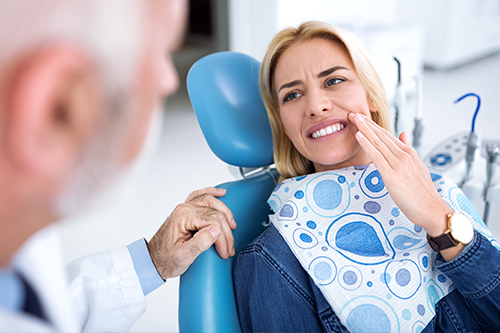
When a sudden dental issue arises—sharp tooth pain, a knocked-out tooth, or unexpected swelling—knowing what to do in the first hour can make a meaningful difference. Begin by staying calm and assessing the situation: control any bleeding with gentle pressure, rinse the mouth with warm water to reduce debris, and apply a cold compress to the cheek to help limit swelling. Avoid placing aspirin or other medications directly on the gums or tooth surface, as this can irritate soft tissues.
If a tooth has been completely dislodged, preserve it by holding it only by the crown (the chewing surface), rinsing it briefly if it’s dirty, and attempting to reinsert it into the socket if you can do so without force. If reinsertion isn’t possible, place the tooth in a small container of milk or saline, or keep it tucked against your cheek to maintain moisture. Time is critical—teeth that are treated and stabilized sooner have the best chance of being saved.
For severe pain, swelling, or signs of systemic infection (fever, difficulty breathing or swallowing), seek urgent attention right away. The office of Dental Excellence of Brandon prioritizes safe, efficient stabilization of these problems and coordinates next steps so the patient receives appropriate care quickly and with minimal discomfort.
Common Urgent Dental Conditions and What They Mean
Dental emergencies cover a wide range of problems that demand prompt evaluation. Some arise from trauma—sports injuries, falls, or accidents—while others develop from untreated dental disease that becomes suddenly painful or infected. Recognizing the difference between a non-urgent concern and a true emergency helps you get the right level of care without delay.
We commonly see the following urgent conditions:
- Severe toothaches or throbbing pain that disrupts sleep or daily activity
- Chipped, fractured, or completely knocked-out (avulsed) teeth
- Swelling or abscesses that indicate infection
- Loose or broken restorations—fillings, crowns, or bridges—that expose the tooth structure
- Problems with dentures or partials that cause injury or prevent normal function
- Acute wisdom tooth pain, impaction, or infection
- Sudden oral soft-tissue injuries, lacerations, or suspicious lesions
Each of these situations demands a tailored response: some require immediate stabilization and infection control, while others need restorative work or referral for specialized care. Prompt assessment limits complications and helps preserve natural teeth whenever possible.
How We Evaluate and Triage Urgent Cases
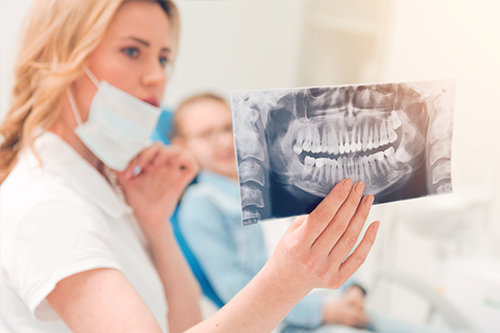
Effective emergency care begins with a focused clinical evaluation. Our team performs a rapid yet thorough assessment that includes a detailed history of the event, a targeted examination of the teeth and supporting structures, and diagnostic imaging when needed. This approach allows us to determine the cause of symptoms, the severity of damage, and the most appropriate next steps for treatment.
Triage also identifies urgent threats to a patient’s health, such as spreading infection or airway compromise, so those issues can be managed immediately. Pain control is an early priority: we offer measures to reduce discomfort, including local anesthesia and short-term prescriptions when clinically indicated. Stabilization—such as splinting a loose tooth or temporarily sealing exposed tooth structure—helps prevent further harm while a definitive plan is developed.
When a condition requires specialized care beyond the scope of the initial visit, we coordinate referrals to oral surgeons, endodontists, or other experts as needed. The goal of triage is to restore comfort, protect oral health, and provide a clear timeline for definitive treatment.
Emergency Treatments and Long-Term Solutions
Treatment for dental emergencies is driven by the nature and extent of the injury or disease. For minor fractures or lost fillings, repair with bonding or a replacement restoration may be sufficient to restore function and appearance. Teeth with deeper damage that involve the nerve often require root canal therapy to remove infected tissue and preserve the tooth’s structure. When possible, we pursue tooth-preserving options first because maintaining natural dentition supports long-term oral health.
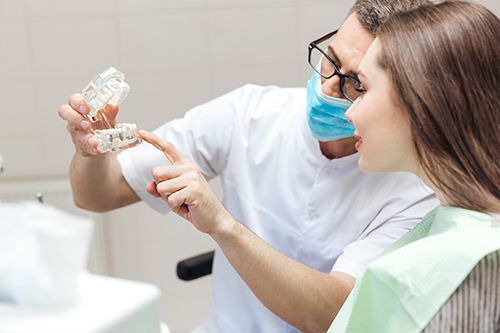
There are times when a tooth cannot be saved and extraction is the safest choice. When extractions are necessary, we discuss restorative options to replace the missing tooth and prevent the drift or loss of adjacent teeth. Modern solutions include fixed bridges, removable partial dentures, and dental implants, each selected based on the patient’s oral health, anatomy, and long-term goals. Dental implants, in particular, offer a durable way to restore function and appearance when conditions allow for their placement.
Beyond the immediate fix, our treatment plans emphasize predictable healing and functional recovery. We use gentle techniques, up-to-date materials, and clear aftercare instructions so patients can progress from urgent care to full restoration with confidence.
Recovery, Prevention, and When to Follow Up
After emergency treatment, careful follow-up helps ensure a smooth recovery and reduces the chance of recurrence. We provide written and verbal aftercare guidance—how to manage discomfort, signs of infection to watch for, and dietary suggestions while healing. In many cases, a short-term follow-up visit is scheduled to check healing, remove sutures if necessary, and finalize plans for permanent restoration.
Preventive steps can minimize future emergencies: protective mouthguards for sports, timely treatment of cavities and periodontal disease, and routine dental visits all lower the risk of sudden problems. For patients with recurring issues such as bruxism or complex restorative needs, individualized maintenance programs help preserve dental work and detect problems early.
For more information about urgent dental services and the steps we take to stabilize and restore oral health, please contact the office of Dental Excellence of Brandon. Our team is ready to answer questions and guide you through the next steps when an unexpected dental issue occurs.