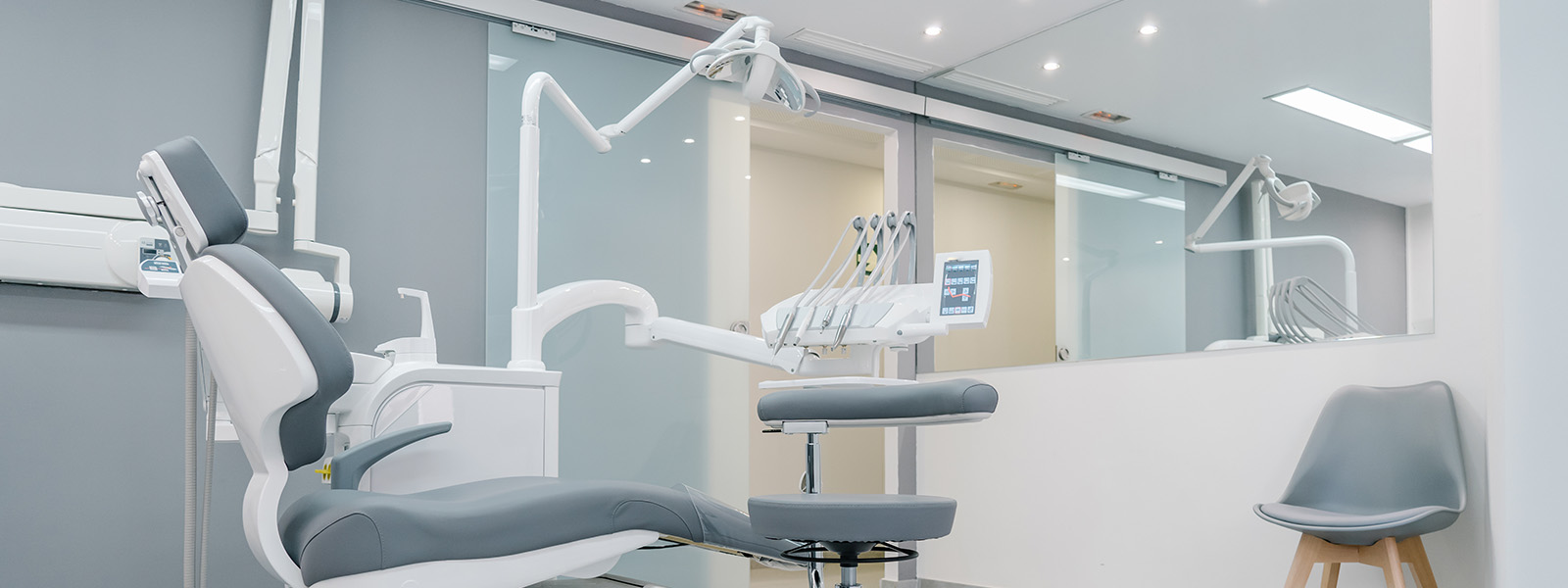
Modern materials, digital workflows, and refined laboratory techniques have transformed removable dentures into natural-looking, comfortable restorations that restore both function and confidence. While fixed options such as dental implants and bridgework remain excellent choices for many patients, removable dentures continue to be a versatile and reliable solution for replacing missing teeth.
At the office of Dental Excellence of Brandon, our approach to dentures blends up-to-date technology with careful attention to fit, facial proportions, and individualized esthetics. Each prosthesis is crafted to support clear speech, efficient chewing, and a pleasing smile while preserving the contours of the face.
We work with patients to develop restorative plans that respect their oral health, lifestyle, and long-term goals. Whether you need a partial to fill gaps or a complete prosthesis to replace an entire arch, our team focuses on predictable results and comfortable outcomes.
Losing teeth affects much more than appearance. Teeth play a key role in breaking down food, guiding the movement of the jaw, and helping form certain speech sounds. When teeth are missing, chewing efficiency drops and people may unconsciously favor one side, which can strain the joints and muscles of the face.
Over time, missing teeth can also change the position of remaining teeth as they drift into empty spaces. These shifts can compromise the bite, create wear patterns, and make future restorative work more complex. Addressing tooth loss early helps protect the health and alignment of the remaining dentition.
Beyond function, tooth loss can subtly alter facial support. Without the vertical height provided by teeth, soft tissues may appear to sink inward, creating a prematurely aged appearance. Well-designed dentures restore that vertical dimension and help reestablish balanced facial contours.
Removable dentures are prosthetic appliances that rest on the gums and replace missing teeth and associated tissue. They are composed of artificial teeth set into a supportive base that conforms to the shape of the mouth. Today's denture materials are more lifelike and durable than ever, producing natural texture, color, and translucency.
One of the primary advantages of removable dentures is their serviceability. Because they can be taken out, patients and clinicians can clean both the appliance and the underlying tissues thoroughly. This access supports oral hygiene and simplifies maintenance compared with some fixed restorations.
Removable solutions can be tailored to individual needs: some patients benefit from lightweight partial frameworks that clip into place, while others prefer full-arch prostheses that prioritize esthetics and support. The goal in every case is a balance of fit, comfort, and reliable function.
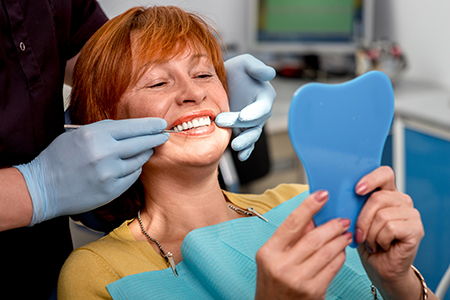
Selecting the appropriate denture starts with a careful clinical exam that evaluates remaining teeth, gum health, bone support, and overall oral function. A partial denture may be ideal when stable natural teeth remain to anchor the prosthesis. Conversely, when multiple teeth are missing in an arch, a complete denture may better restore form and function.
Design factors include the type of base material, tooth shape and shade, occlusal scheme (how the teeth meet), and the presence of any attachments or precision components. We also consider how the prosthesis will interact with the lips, cheeks, and tongue to ensure comfortable speech and a natural appearance.
Advances such as flexible resins, lightweight metal frameworks, and implant attachments give patients more choices for improving retention and comfort. Where appropriate, implant attachments can be integrated to provide enhanced stability while still allowing the appliance to be removed for cleaning.
Complete dentures replace all the teeth in the upper or lower jaw and are customized to the contours of the mouth. Their success depends on a close fit to the gums and correct relationships between the jaws. Properly made full dentures support speech, chewing, and facial structure.
Immediate dentures are placed right after extractions so patients leave the dental office with teeth in place. They offer the psychological benefit of never being without teeth but typically require follow-up adjustments as the gums heal and reshape. Conventional dentures are fabricated after tissues have healed and often provide a more stable long-term fit without early relines.
Overdenture
An overdenture gains support from remaining roots or specially prepared teeth. Keeping strategic tooth roots can preserve bone and provide additional retention for the prosthesis.
Implant-Supported Dentures
Implant-retained dentures attach to dental implants with clips, bars, or locators, dramatically improving stability and reducing movement during function. This option can be especially helpful for lower-arch restorations where flat bone and tongue movement make retention more challenging.
Partial dentures replace one or several missing teeth and are designed to integrate with the existing dentition. They help prevent adjacent teeth from drifting, maintain occlusal contacts, and restore a natural appearance. Frameworks can be traditional cast metal, flexible resin, or hybrid constructions depending on case needs.
Well-fitting partials distribute chewing forces across remaining teeth and soft tissues to reduce overload on any single tooth. Precision attachments can eliminate visible clasps for a more esthetic result while providing dependable retention.
Every partial is planned with the long-term health of remaining teeth in mind. That includes careful assessment of periodontal support and proactive measures to protect and preserve natural teeth whenever feasible.
At Dental Excellence of Brandon, our prosthetic designs prioritize harmony with your existing smile and oral structures. We collaborate with skilled dental technicians to select materials and tooth arrangements that match your facial character and functional needs.
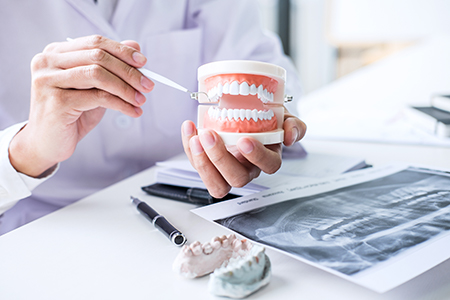
A successful denture begins with a methodical treatment plan: medical and dental history review, diagnostic records, and precise impressions or digital scans. These steps allow us to capture the relationships between the jaws and ensure that the final appliance will meet functional and esthetic goals.
During try-in appointments we assess tooth position, bite, and lip support, making incremental refinements so that the final delivery feels natural. Our process emphasizes communication — patient feedback at try-in stages is essential to achieving a comfortable and confident result.
When necessary, we coordinate adjunctive treatments such as simple periodontal care, extractions, or preparatory procedures to optimize the supporting tissues. In cases involving implants, treatment follows a coordinated surgical-restorative plan to integrate retention components precisely.

Adjusting to a new denture is a normal process. Early visits focus on comfort, relieving pressure spots, and fine-tuning speech and bite. Common short-term adaptations include increased saliva flow and minor changes in articulation, both of which typically resolve as tissues acclimate.
Proper daily care preserves the appearance and function of dentures. Rinse them after meals, brush them with an appropriate cleaner, and soak them overnight in water or a recommended soaking solution. Also maintain routine dental visits so we can check the health of the gums, evaluate the fit, and address any changes.
Over time, tissue contours can change, and relines or adjustments may be needed to restore fit. For many patients, implant-retained options reduce the need for frequent relines by providing additional support and preserving bone. Whatever your path, ongoing follow-up care helps extend the longevity and comfort of your prosthesis.
Tips for adapting
Start with soft foods, chew slowly, and practice speaking aloud to speed adaptation. Report any sore spots promptly so adjustments can be made before irritation develops.
When to seek adjustments
Contact the office if you experience persistent discomfort, looseness that affects eating or speaking, or signs of tissue irritation. Timely care prevents small issues from becoming larger problems.
Regular evaluations
Routine examinations allow us to monitor oral health, review denture fit, and recommend relines or repairs as needed to maintain comfort and function.
Our team is committed to helping patients achieve durable, comfortable denture solutions that align with their lifestyle and goals. If you have questions about which option is right for you or what the process entails, please contact us for more information.
Today, it’s easier than ever to replace missing teeth and achieve natural-looking, durable, and long-lasting results! Depending on a patient’s dental needs, lifestyle, expectations of care, and budget, choices can include conventional fixed bridgework, dental implants, or removable partial and complete dentures. At the office of Dental Excellence of Brandon, we’ll discuss all your options in care and answer all your questions as you choose the solution that’s right for you.
With advances in dental materials and technology, today’s dentures are more comfortable and realistic-looking than ever before.
Whether you wear partial or complete dentures, it’s essential to see the dentist for routine care. Besides checking the fit and condition of your dentures and making any necessary adjustments, you’ll also receive a comprehensive exam to check on the health of any remaining teeth as well as the soft and hard tissues in and around the oral cavity.
A same-day denture offers an accelerated design and fabrication process that allows a patient to go from impression taking to denture insertion in a single day.
For patients who don’t want to wait after having teeth extracted, an immediate denture can be inserted the same day your teeth are removed. Sometime later you may need the denture relined to address any changes in its fit once the extraction sites have completely healed.
While no one wants to drop or break a partial or complete denture, accidents do happen. The good news is that in some cases, your partial or complete denture is reparable. It all depends on the extent of the damage. Don’t hesitate to contact our office if you’ve broken or damaged your denture. We’re happy to help.
The simple act of taking your partial denture in and out can cause certain types of metal clasps to loosen over time. When you come in for your checkup visit or contact our office for an adjustment, we’ll assess the fit of your partial and tighten the clasps for improved stability and comfort.
While rebuilding a complete smile is a worthwhile investment, our office is sensitive to the costs involved in dental care. We customize care and will discuss which treatment options address your needs, lifestyle, and budget. How much a new denture will cost depends on the type of the prosthesis, its design, and the materials used to fabricate the supportive base, teeth, and clasps or precision attachments. Dentures that include the placement of dental implants for added retention and stability typically involve additional costs.
If you have dental insurance, your coverage may include a new or replacement set of dentures. Our staff is happy to review your coverage with you to ensure you are maximizing your insurance benefits while minimizing any out of pocket expenses.
At the office of Dental Excellence of Brandon, we provide an extensive range of dental services, including the latest and most effective methods to help patients with missing teeth rebuild complete and beautiful smiles. As skilled and experienced professionals, we recognize that every patient is different, and every smile is unique. We’re passionate about what we do and take great pride in providing personalized treatment plans while treating our patients as valued partners in care.