Composite fillings are designed to mimic the color, translucency, and texture of natural teeth. Made from advanced resin materials, they provide an aesthetic solution for treating cavities without drawing attention to the repair. Because these restorations are matched to your existing tooth shade, they blend with adjacent teeth and retain a natural appearance even when placed on front teeth or other visible surfaces.
Beyond looks, composite materials have evolved to offer improved wear resistance and strength compared with earlier formulations. When placed correctly, they can withstand everyday chewing forces and provide a reliable, discreet repair. The balance of cosmetic appeal and functional performance makes composites a favored choice for patients who want both durability and a pleasing smile.
Using tooth-colored restorations also eliminates the visual contrast that metal fillings produce. For many patients the confidence that comes from a seamless repair is as important as the mechanical benefits. If preserving the appearance of your smile matters to you, composite restorations are a sensible, contemporary option.
One of the key advantages of composite fillings is the way they bond to the tooth. The adhesive chemistry allows the material to adhere to enamel and dentin, which means less healthy tooth structure needs to be removed during preparation. That conservative approach helps maintain more of your natural tooth and can reduce the risk of fracture over time.
Because the composite is placed in layers and chemically joined to the tooth, it helps restore structural integrity rather than simply filling a void. The resulting seal can limit microleakage and reduce the chance of recurrent decay around the margin of the restoration. In short, you get a repair that not only looks good but also supports the long-term health of the tooth.
Preservation of tooth structure is particularly valuable for younger patients or for teeth that may require additional treatment in the future. By minimizing unnecessary removal of enamel and dentin today, we help keep future restorative options open and extend the lifespan of the natural tooth.
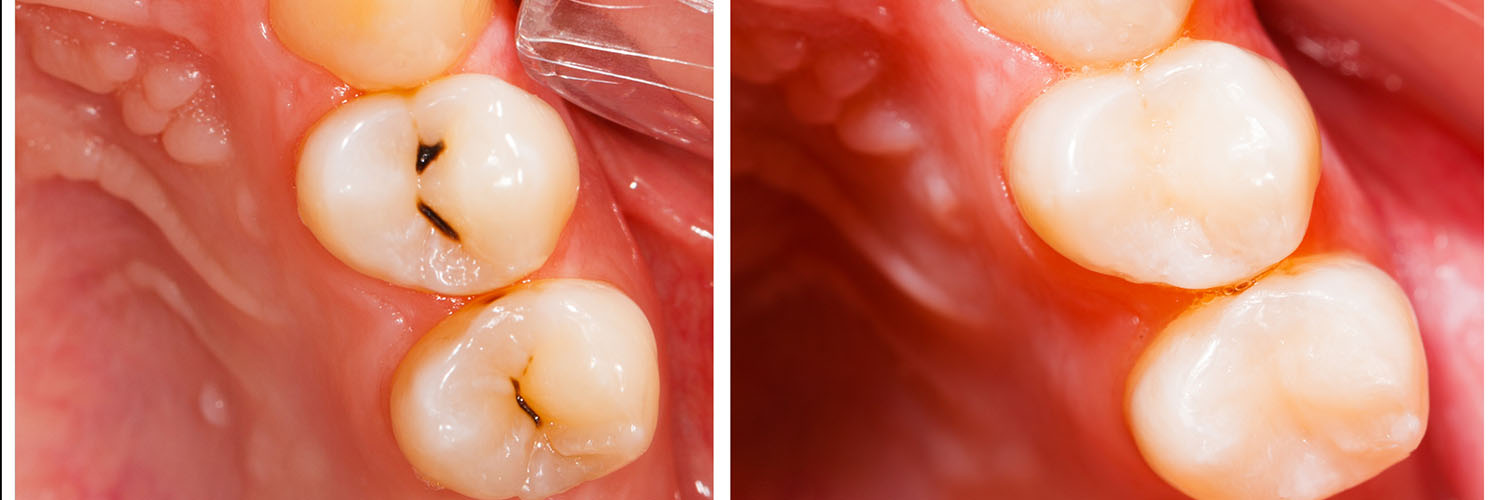
Treatment typically begins with a careful diagnosis to determine the extent of decay or damage. Once a decision is made to proceed with a composite restoration, the area is numbed with local anesthesia so you can remain comfortable throughout the procedure. Most simple fillings are completed in a single appointment, which many patients appreciate for its convenience.
After the decay is removed and the cavity is shaped, the tooth is prepared with bonding agents and the composite resin is applied in thin increments. Each layer is cured with a special light to harden the material before the next layer is added. This incremental approach allows precise sculpting of the restoration so it matches the tooth’s natural contours and bite.
Finally, the filling is finely adjusted and polished to ensure a smooth surface and a comfortable feel. If you experience anxiety around dental care, discuss relaxation options with our team—many practices offer techniques to help you stay relaxed during treatment. We take time to explain each step so you know what to expect from start to finish.
Immediately after a filling, it’s common to have temporary numbness from anesthesia. Avoid chewing until sensation returns to prevent accidentally biting your cheek or tongue. Mild temperature sensitivity can also occur for a few days; this usually subsides as the tooth settles and the surrounding tissues recover from the procedure.
Good daily oral hygiene is the primary factor in preserving a composite restoration. Brushing twice daily with a fluoride toothpaste, flossing daily, and keeping routine dental checkups helps prevent new decay at the margins of fillings. Regular professional exams also allow your dentist to monitor the restoration and make small adjustments if wear or bite changes develop.
If you notice persistent pain when biting, increased sensitivity, rough spots, or visible discoloration at the edge of a filling, schedule an evaluation. Early attention to these signs can often resolve minor issues quickly and help avoid more extensive treatment later on.
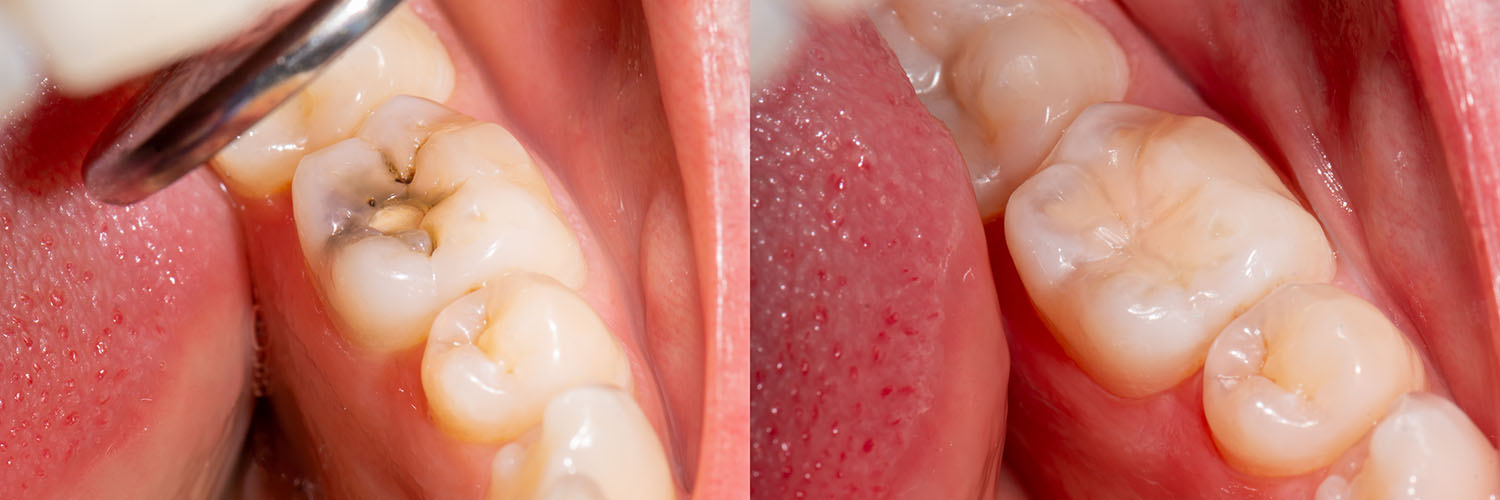
While composite fillings are appropriate for many cavities, there are situations in which a different restoration may be a better long-term solution. Large cavities, extensive fractures, or teeth with significant structural loss may benefit from an indirect restoration such as an inlay, onlay, or full-coverage crown. These options are fabricated to cover and reinforce more of the tooth when needed.
In cases where decay has reached the tooth’s inner tissues or where infection is present, root canal therapy followed by an appropriate restoration may be recommended to preserve the tooth. For teeth that cannot be restored predictably, replacement with an implant-supported crown or a bridge are alternative paths to restore function and appearance.
Choosing the right solution depends on the tooth’s condition, expected longevity, and your personal goals for comfort and aesthetics. A careful clinical exam and discussion of options will clarify which approach best protects your oral health while achieving a natural, durable outcome.
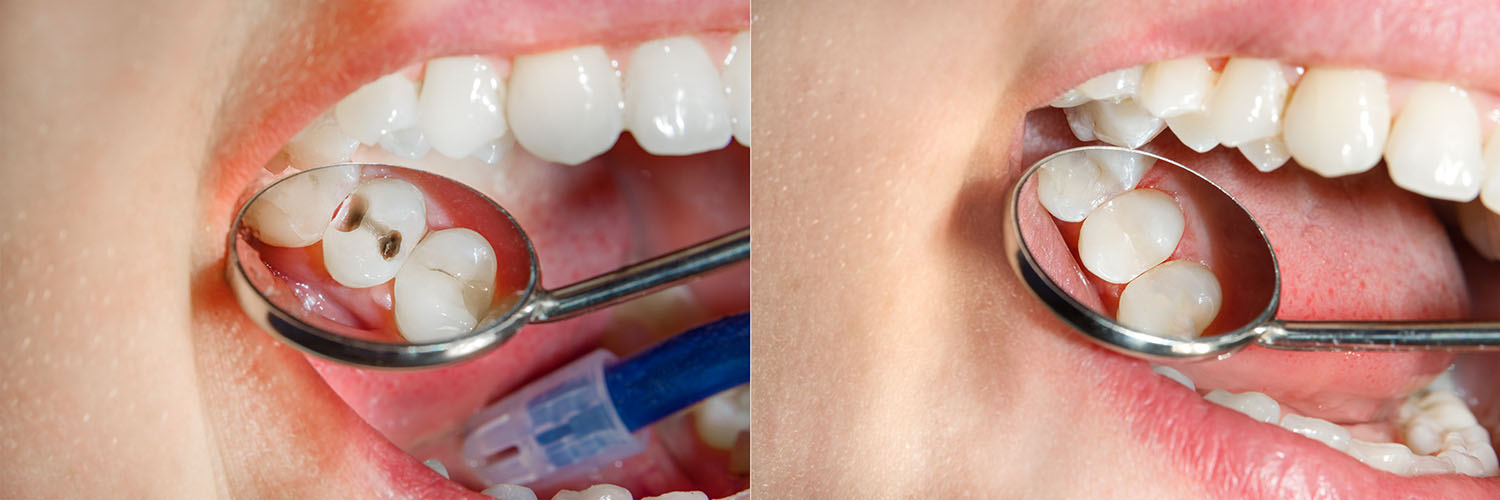
Our goal is to restore teeth in a way that looks natural, feels comfortable, and supports long-term oral health. If you have questions about cavities, composite fillings, or other restorative choices, we’re happy to help you understand the options available to preserve your smile.
Composite fillings offer a discreet, conservative way to treat cavities while preserving the look and function of your tooth. Their ability to bond to natural tooth structure, combined with modern materials and careful technique, makes them a reliable choice for many restorative needs.
If you’d like to learn more about how composite restorations or other dental solutions might apply to your smile, contact us for more information. The office of Dental Excellence of Brandon is here to answer your questions and help you choose the approach that best protects your long-term oral health.
If the pleasure of eating a delicious bowl of ice cream or sipping a soothing cup of tea gets overshadowed by dental pain that makes you wince; it's time to contact our office. As skilled providers of care, we'll determine what's causing your discomfort and perform the treatment required to alleviate your symptoms and get you back on the road to oral health.
Cavities develop because of an infectious process that causes progressive damage to tooth structure. Despite starting as a pinpoint defect on the outermost enamel layer of your tooth, untreated dental decay progressively compromises more and more healthy tooth structure as it works its way to the inner layers of your tooth.
Yes, you can still develop tooth decay on other surfaces of the tooth, around the margins of an old filling, or in fewer instances, recurrent decay underneath it. For this reason, it's essential to maintain excellent oral hygiene, a diet low in sugary beverages and sweets, and be sure to visit our office for routine checkups and care. While tooth decay is second only to the common cold in frequency, it's almost entirely preventable.
We value the time and comfort of our patients. If cavities are located on adjacent teeth, or in the same section of your smile, it may be possible to treat more than one tooth during your visit. However, how much is done each visit depends on several factors. We keep our patients well informed and tailor every treatment plan and visit to address their unique needs.
Addressing concerns on the presence of elemental mercury in silver fillings, the American Dental Association (ADA), The Center for Disease Control and Prevention (CDC), the FDA, and the World Health Organization have all stated that amalgam restorations do not pose a risk to health. However, individuals with allergies or sensitivities to the metals in dental amalgam are advised to pursue other restorative options.
Dental fillings are performed under local anesthesia to help ensure your comfort throughout the entire procedure. The involved tooth remains completely numb for the extent of your visit. Within one or two hours after the procedure is completed, the local anesthetic will gradually wear off, and normal sensations return.
A tooth-colored composite filling is fully hardened and set by the end of your visit. However, we may advise you to wait a couple of hours until the local anesthesia has completely worn off. This advice is to help ensure you don't accidentally bite your lip, cheek, or tongue while still numb.
The lifetime of a dental filling varies depending on the type of material used. While popular dental materials can last a decade or more with proper care, they can degrade over time, wear down, or even break. When this happens, you may experience some tooth sensitivity, a jagged edge, or a loose or dislodged piece of filling material. Whatever the case may be, it's essential to get the filling replaced before the tooth sustains further damage or other consequences arise. Beyond taking good care of your smile to help ensure the longevity of your fillings, our office regularly checks the status of your existing fillings as part of a routine checkup exam.
Dental fillings are an essential investment that serves to preserve and protect the health of your smile. With that said, how much a filling costs depends on the number of surfaces of the tooth involved and the filling material that is used. Amalgam restorations are the most economical. While tooth-colored composite fillings have a slightly higher cost, they offer the added benefits of being metal-free and much more aesthetically pleasing. Ceramic fillings, inlays, and onlays are more expensive than the preceding options but provide outstanding, long-lasting, and natural-looking results.
Dental insurances typically cover the cost of dental fillings. While we work with you to maximize your insurance benefits, there may still be an out-of-pocket expense. At the office of Dental Excellence of Brandon, we strive to help you begin care without any additional financial stress or delay.