Keeping a bright, healthy smile requires more than daily brushing and flossing. Even the most careful home care routine can miss plaque and microscopic debris tucked along the gumline and between teeth. Professional dental cleanings remove buildup that toothbrushes and floss alone cannot, while giving your dental team an opportunity to evaluate your oral health and catch developing issues early. Regular cleanings are a cornerstone of preventive dentistry and help patients of all ages maintain function, comfort, and confidence.
Professional cleanings do more than refresh your smile — they interrupt the cycle that leads to cavities and gum disease. Plaque is a living film of bacteria that forms continuously on tooth surfaces; when it hardens into tartar, it bonds to enamel and can only be removed professionally. Removing these bacterial reservoirs reduces inflammation, lowers the risk of decay, and protects the tissues that support your teeth.
Beyond plaque removal, cleanings are an opportunity to measure and document your gum health. Hygienists assess pocket depths, look for signs of gum recession, and note any areas that need closer monitoring. This tracking allows for targeted care and helps your dentist and hygienist tailor recommendations that fit your unique risk profile.
Routine appointments also reinforce good oral habits. During a cleaning appointment, dental professionals provide personalized coaching on brushing techniques, flossing strategies, and small lifestyle adjustments that make a measurable difference. That combination of professional maintenance and informed home care creates a durable defense against common dental problems.
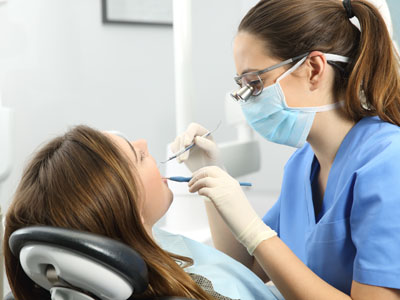
A contemporary dental cleaning is a systematic, comfortable process designed to restore cleanliness and protect tooth structure. After a brief review of your medical and dental history, the hygienist examines your mouth and uses instruments to remove plaque and tartar buildup. Ultrasonic scalers and fine hand instruments work together to dislodge deposits from both the visible and hard-to-reach areas.
Once deposits are removed, the hygienist polishes your teeth to eliminate surface stains and make the enamel smooth — a finish that helps slow new plaque accumulation. Many cleanings also include a gentle flossing and, when appropriate, application of a fluoride varnish or other preventive product to strengthen enamel and resist decay between visits.
Throughout the appointment, the team pays attention to comfort and patient concerns. Cleanings are typically brief and minimally invasive, and your hygienist will explain each step so you know what to expect. If additional treatment is warranted, the clinician will discuss findings and recommend next steps in clear, plain language.
Sensitivity during cleanings is a common worry, but modern techniques make visits manageable for most patients. If you experience tenderness or tooth sensitivity, your hygienist can adjust methods, use desensitizing pastes, or apply topical numbing to minimize discomfort. Open communication during the appointment ensures the team can slow down or switch approaches as needed.
Patients with certain medical conditions, dental anxiety, or complex periodontal needs may benefit from tailored care plans. Hygienists work alongside the dentist to coordinate schedules, allow extra time when necessary, and recommend adjunctive therapies that improve comfort and outcomes. We focus on creating an environment where patients feel respected and supported through each visit.
For children and those with special healthcare needs, cleanings are adapted to meet developmental and behavioral considerations. Techniques emphasize positive experiences, clear explanations, and gradual familiarization so that appointments are less intimidating and more productive over time.
Regular cleanings do more than remove deposits — they provide an essential checkpoint for early detection. While cleaning, the clinical team inspects teeth, gums, tongue, and soft tissues for signs of decay, gum disease, oral lesions, or other abnormalities. Finding changes early often means simpler, more conservative treatment and a higher likelihood of preserving natural tooth structure.
Periodontal disease, in particular, progresses silently for many patients. Routine maintenance visits allow hygienists to identify subtle shifts in gum health, chart pocket depths, and recommend periodontal therapies before more extensive damage occurs. Early intervention can halt progression and protect the long-term stability of the smile.
Additionally, cleanings complement diagnostic tools like digital radiographs and intraoral cameras. When the team notices an area of concern, these technologies help clarify the situation quickly so that an evidence-based plan can be developed and discussed with the patient.
A successful cleaning visit is only part of a healthy routine — what happens at home matters just as much. Hygienists provide specific, actionable advice on brushing with the right technique, choosing an appropriate toothbrush and toothpaste, and using interdental cleaners effectively. Small daily adjustments can significantly reduce plaque formation and prolong the benefits of a professional cleaning.
Dietary habits also influence oral health. Reducing frequent snacking on high-sugar or highly acidic foods and maintaining balanced hydration supports the mouth’s natural defenses. For patients with particular concerns — such as dry mouth or high cavity risk — the team will suggest targeted strategies and products to mitigate those challenges between appointments.
Finally, adherence to a recommended recall schedule is key. Whether you benefit from twice-yearly maintenance or more frequent visits due to specific risk factors, following the plan set by your dental team helps sustain gum health, prevent relapse, and ensure any new issues are caught early.
Dental cleanings are a practical, proven tool for protecting oral health and preserving a confident smile. At the office of Dental Excellence of Brandon, our approach combines skilled technique, modern technology, and individualized guidance to make each visit as effective and comfortable as possible. If you have questions about what to expect or would like more information about routine preventive care, please contact us to speak with a member of our team.